
Best Collagen Supplements for Skin & Joint Support: Expert-Reviewed Options
Collagen is the most abundant protein in your body, serving as a fundamental building block for your skin, joints, bones, and connective tissues. As you age, your natural collagen production declines, which can lead to visible signs of ageing and joint discomfort.
HEALTHCARE
Understanding Collagen Supplements
Collagen supplements can help support skin elasticity, reduce the appearance of fine lines, and provide relief from joint pain by replenishing your body's collagen levels. Research indicates that regular supplementation may offer benefits for skin health, joint support, and bone density, though results tend to be gradual rather than immediate.
With numerous collagen supplements available in 2026, selecting the right product for your specific needs requires understanding the different types, forms, and quality markers. This guide examines the most effective collagen supplements for both skin and joint support, helping you make an informed decision about which option suits your health goals.


What Is Collagen and How Does It Work?
Collagen is the most abundant protein in your body, serving as the primary structural component in skin, bones, muscles, tendons, and ligaments. It forms a scaffold that provides strength and structure to these tissues.
Your body produces collagen naturally by combining amino acids from protein-rich foods. However, production begins to slow after your mid-twenties, declining by approximately 1-2% annually. This reduction leads to visible signs like wrinkles, reduced skin elasticity, joint discomfort, and decreased bone density.
Collagen supplements contain hydrolysed collagen, also called collagen peptides. This form breaks down the large collagen molecules into smaller chains of amino acids that your digestive system can absorb more readily. Once absorbed, these peptides enter your bloodstream and travel to tissues where your body uses them to support collagen synthesis and maintain existing structures.
Types of Collagen in Supplements
Collagen supplements typically contain one of three main sources:
Bovine collagen comes from cow hides and bones, primarily providing Type I and Type III collagen. These types support skin elasticity, bone strength, and connective tissue formation.
Marine collagen derives from fish skin and scales, offering predominantly Type I collagen. This form has smaller particle sizes, which may improve absorption rates compared to bovine sources.
Vegan alternatives use ingredients that stimulate your body's natural collagen production rather than supplying actual collagen. These typically contain vitamin C, amino acids, and other nutrients necessary for collagen synthesis.
The supplement format varies between powders, tablets, capsules, and liquid formulations. Powders generally offer higher doses per serving, whilst tablets provide convenience for daily use.
Key Benefits for Skin and Joint Health
Clinical research demonstrates that collagen supplementation can improve skin hydration and elasticity whilst reducing the appearance of fine lines. Studies show participants taking hydrolysed collagen for 8-12 weeks experience measurable improvements in skin moisture levels and firmness.
For joint support, collagen supplements may reduce discomfort and improve mobility in individuals with joint concerns. The amino acids in collagen are particularly rich in glycine and proline, which play essential roles in cartilage formation and maintenance.
Research indicates that daily doses between 2.5-15 grams can provide noticeable benefits. The specific amount depends on your goals, with skin health typically requiring lower doses (2.5-5 grams) whilst joint support may need higher amounts (8-12 grams).
Top Collagen Supplements for Skin & Joint Support
Marine collagen offers superior absorption for skin benefits, whilst bovine collagen provides comprehensive joint support through multiple collagen types. Vegan alternatives and multi-collagen blends address specific needs for those seeking plant-based options or complete-body coverage.
Best Marine Collagen Supplements
Marine collagen is sourced from fish skin and scales, primarily containing Type I collagen. This type is identical to the collagen found in your skin, making it particularly effective for reducing fine lines and improving skin elasticity.
The smaller peptide size in marine collagen allows for better absorption rates compared to other sources. You'll typically see results within 4-8 weeks of consistent use.
Key Benefits of Marine Collagen:
Enhanced skin hydration and elasticity
Reduced appearance of wrinkles
Faster absorption due to smaller particle size
Lower molecular weight for improved bioavailability
Marine collagen supplements often come in powder form that dissolves easily in both hot and cold liquids. Look for products that include vitamin C, as it enhances collagen synthesis in your body.
Highly Rated Bovine Collagen Options
Bovine collagen is derived from cow hides and bones, providing Types I and III collagen. These types support both skin health and joint function, making bovine collagen a versatile choice for comprehensive benefits.
Type I collagen improves skin structure and reduces wrinkles, whilst Type III supports the formation of blood vessels and tissue repair. Your joints benefit from the glycine and proline content, which help rebuild cartilage.
Bovine collagen tends to be more cost-effective than marine options whilst still delivering excellent results. It's particularly beneficial if you're experiencing joint discomfort or seeking to maintain bone density.
What to Look For:
Grass-fed and pasture-raised sources
Hydrolysed formulation for better absorption
Third-party testing for purity
Minimal additives or fillers
The powder form mixes well into coffee, smoothies, or soups without altering taste significantly.
Plant-Based and Vegan-Friendly Alternatives
True collagen only comes from animal sources, so vegan supplements focus on providing the building blocks your body needs to produce its own collagen. These products contain amino acids, vitamins, and minerals that support natural collagen synthesis.
Common ingredients in vegan collagen boosters include vitamin C, silica, zinc, and specific amino acids like glycine and proline. Some products incorporate algae-based ingredients that mimic collagen's structural properties.
Whilst these alternatives don't provide direct collagen, they can effectively support your body's production. You'll need consistency and patience, as results may take slightly longer compared to animal-derived supplements.
Consider combining vegan collagen boosters with a diet rich in protein, particularly foods containing lysine and proline.
Multi-Collagen Blend Formulations
Multi-collagen supplements combine several sources to provide Types I, II, III, V, and X collagen. This comprehensive approach targets skin, joints, bones, hair, nails, and gut lining simultaneously.
These blends typically include bovine, marine, chicken, and eggshell membrane collagen. Each source contributes different collagen types that address specific bodily functions.
Collagen Types and Their Functions:
TypePrimary SourceMain BenefitsIBovine, MarineSkin, hair, nails, bonesIIChickenJoint cartilage, spineIIIBovineSkin elasticity, blood vesselsVEggshellCorneas, placenta, hairXChickenBone formation, cartilage
Multi-collagen formulations work well if you're seeking whole-body support rather than targeting a single concern. They're particularly useful for those over 30 experiencing multiple signs of collagen depletion.
How to Choose the Best Collagen Supplement
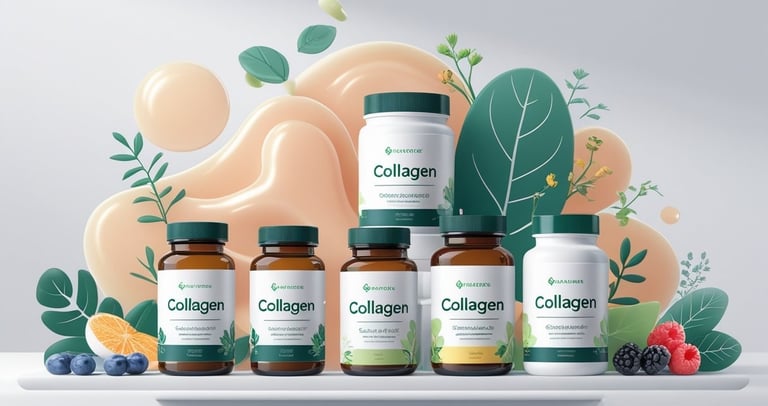
The right collagen supplement depends on three critical factors: what's actually in the formula, how well your body can absorb it, and whether it meets recognised safety standards.
Ingredients and Purity Standards
Look for supplements that list hydrolysed collagen or collagen peptides as the primary ingredient. These forms have been broken down into smaller molecules, typically ranging from 2,000 to 5,000 Daltons in molecular weight.
Check the source of collagen carefully. Bovine collagen comes from cow hides and bones, providing Types I and III. Marine collagen is extracted from fish skin and scales, primarily offering Type I. Porcine collagen derives from pig skin. Each source offers similar benefits, though marine collagen tends to have smaller peptide sizes.
Pure supplements contain minimal additives. Avoid products with excessive fillers, artificial sweeteners, or unnecessary colours. The ingredient list should be straightforward, typically including collagen peptides, perhaps a flavouring agent, and possibly complementary nutrients like vitamin C or hyaluronic acid.
Daily dosages typically range from 2.5 to 15 grams. Studies examining skin elasticity and joint support commonly use 10 grams per day.
Bioavailability and Absorption
Hydrolysed collagen peptides offer superior absorption compared to unprocessed collagen. The hydrolysis process breaks protein chains into smaller fragments that your digestive system can readily absorb.
Look for products specifying peptide molecular weight. Smaller peptides, generally under 3,000 Daltons, demonstrate enhanced bioavailability. Your body can transport these through the intestinal wall more efficiently.
Vitamin C significantly improves collagen absorption and synthesis. Many quality supplements include it directly, but you can also take it separately. Enzymes like pepsin or papain in some formulations may further support digestion and absorption.
The delivery format matters less than you might think. Powders, capsules, and liquids all work effectively provided they contain hydrolysed collagen. Choose based on your preference and convenience.
Certifications and Safety Considerations
Third-party testing provides independent verification of quality and purity. Look for certifications from organisations like Informed Sport, NSF International, or the Soil Association for organic products.
GMP certification (Good Manufacturing Practice) indicates the manufacturer follows strict production standards. This certification ensures consistent quality, proper labelling, and contamination control.
Consider allergy concerns based on the collagen source. Marine collagen poses risks if you have fish allergies. Bovine and porcine options aren't suitable for certain dietary requirements or restrictions.
Check for heavy metal testing results, particularly with marine collagen. Reputable brands publish certificates of analysis showing contamination levels remain below safe thresholds. Avoid supplements from manufacturers unwilling to provide this documentation.
Tips for Maximising Collagen Benefits
Taking collagen supplements represents just one part of supporting your skin and joint health effectively. Pairing supplementation with consistent habits and lifestyle choices helps your body produce and utilise collagen more efficiently.
Integrating Collagen Into Your Daily Routine
Consistency matters when taking collagen supplements. Most research suggests taking your supplement daily for at least 8-12 weeks before expecting noticeable results in skin elasticity or joint comfort.
Taking collagen on an empty stomach may improve absorption, though you can take it with food if that suits your schedule better. Morning routines work well for many people, as it's easier to remember before breakfast or with your first beverage.
Timing considerations:
Take collagen at the same time each day to build the habit
Allow 20-30 minutes before meals for optimal absorption
Mix powder forms into coffee, tea, or smoothies for convenience
Store your supplements in a cool, dry place away from direct sunlight to maintain potency. Check the label for specific storage instructions, as some liquid formulations may require refrigeration after opening.
Supporting Collagen Production Naturally
Your body needs specific nutrients to produce collagen effectively. Vitamin C plays a critical role in collagen synthesis, so consuming citrus fruits, berries, or leafy greens alongside your supplement enhances results.
Protein-rich foods provide the amino acids your body needs to build collagen. Include lean meats, fish, eggs, or legumes in your daily diet.
Key lifestyle factors:
Protect your skin from excessive sun exposure with SPF
Stay hydrated by drinking adequate water throughout the day
Limit sugar intake, which can damage existing collagen through glycation
Avoid smoking, as it accelerates collagen breakdown
Getting 7-9 hours of quality sleep supports your body's natural repair processes, including collagen production.
In 2026, the supplements people prioritise — such as Vitamin D3 + K2, Omega-3, probiotics, magnesium glycinate, and plant-based proteins — reflect a focus on holistic wellbeing: immune support, digestive balance, sleep, and recovery. Each person’s needs differ, so choose based on your personal goals and preferences.
👆 Ready to compare these supplements? Click the product links above to view options on Amazon and choose what’s right for you!